Your Identity, Not Theirs: The Case for Worker-Owned Credentials in America
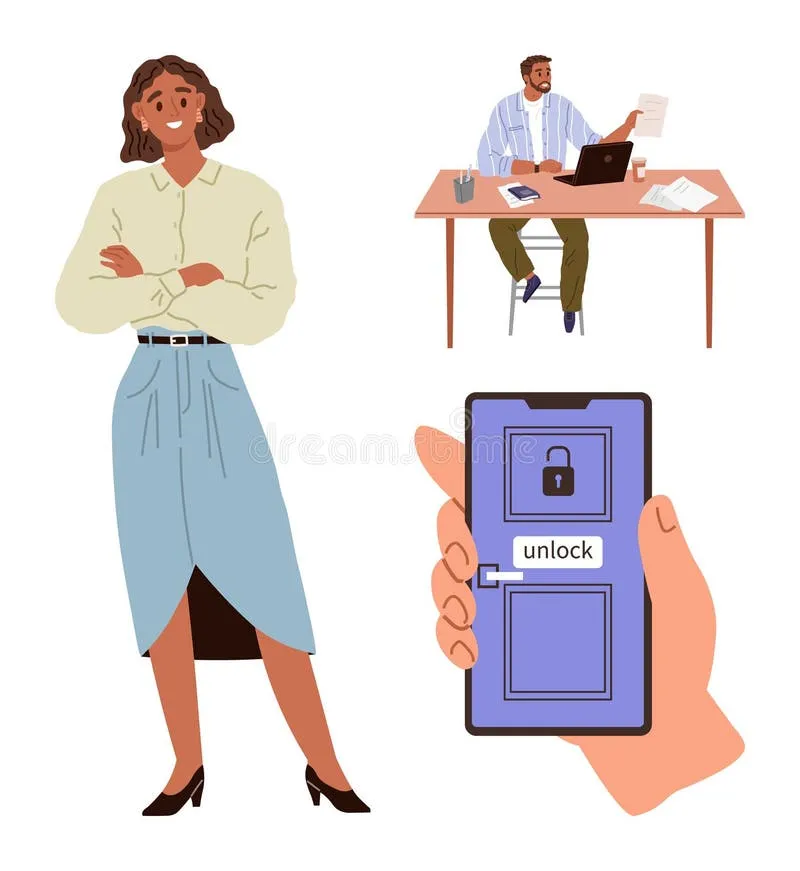
Photo: confident worker holding smartphone digital wallet identity concept, via thumbs.dreamstime.com
Here is a question most American workers have never been invited to ask: who owns your professional identity?
Not rhetorically — legally and technically. Your employment history lives in a database operated by a credit reporting subsidiary. Your degrees sit in a registrar system that charges you to access your own records. Your licenses are scattered across state boards. Your background check results are compiled by companies you have never heard of, under laws you cannot easily invoke. You produced every one of these records. You control none of them.
Self-sovereign identity is typically marketed to enterprises as a security architecture. It is that. But framing it exclusively as a corporate upgrade misses the more consequential story: it is the first identity model that would hand American workers actual ownership of their verified credentials — and it deserves to be demanded, not merely offered.
What Self-Sovereignty Actually Means
Under a self-sovereign model, your credentials — degree, license, employment verifications, background clearances — are issued as cryptographically signed attestations that you hold in your own digital wallet. Employers and banks don't query a central database; they verify your credential's signature directly. Nothing is stored about you in someone else's vault. When you change jobs, you present what's needed and withhold what isn't.
Contrast that with the direction the market is heading: centralized identity vaults, where a handful of platforms aggregate verified identity data and rent access to it. These systems promise convenience, and they deliver — for the platform. They also create exactly the honeypots that have made the credit bureaus and background-check conglomerates such frequent breach targets. Concentrated identity data is not a security feature. It is a liability with a login.
The Worker's Case
Consider what credential ownership changes in practice:
- Job mobility. Verification delays — license transfers, degree confirmations, employment checks — routinely stretch hiring timelines by weeks. A nurse holding portable, verifiable credentials can cross state lines and start working; one trapped in manual verification cannot.
- Data minimization. Today's onboarding demands a Social Security number, birthdate, and full history to confirm facts that could be proven with a single cryptographic attestation. A verifiable credential can confirm "over 21," "licensed in this state," or "employed through this date" without disclosing anything else.
- Breach immunity. When your credentials live in your wallet rather than an employer's database, the next mega-breach at a data broker doesn't expose you. There is nothing central to steal.
- Gig and contingent work. The fastest-growing segment of the American workforce changes engagements constantly. Re-onboarding from scratch for each contract is a tax on exactly the workers least equipped to pay it.
The Contrarian Point: Centralized Vaults Are Not the Answer
Some in the industry will say the problem is solved — just consolidate everyone's identity into one trusted platform. Be skeptical. Every centralized identity system in American history has eventually become a breach headline, a surveillance instrument, or both. The question is never whether a vault will be compromised; it is when, and how much of your life it will contain when it happens.
Decentralization is not a technical nicety here. It is the difference between an identity you carry and an identity you are rented.
Why the Moment Is Now
The pieces are aligning. States are piloting mobile driver's licenses with verifiable credentials. Federal digital identity guidance has matured. Interoperability standards for verifiable credentials are stable enough for production deployment. And worker expectations have shifted — a generation that manages its own finances, health data, and professional networks on a phone will not indefinitely tolerate an identity that lives in everyone else's filing cabinet.
Enterprises should embrace this shift, because verified, worker-held credentials reduce their fraud exposure and verification costs. But workers should embrace it harder, because for them the stakes are different: privacy, portability, and leverage.
Your identity was built from your life. It's time the infrastructure reflected that — and stopped treating you as the product being verified.